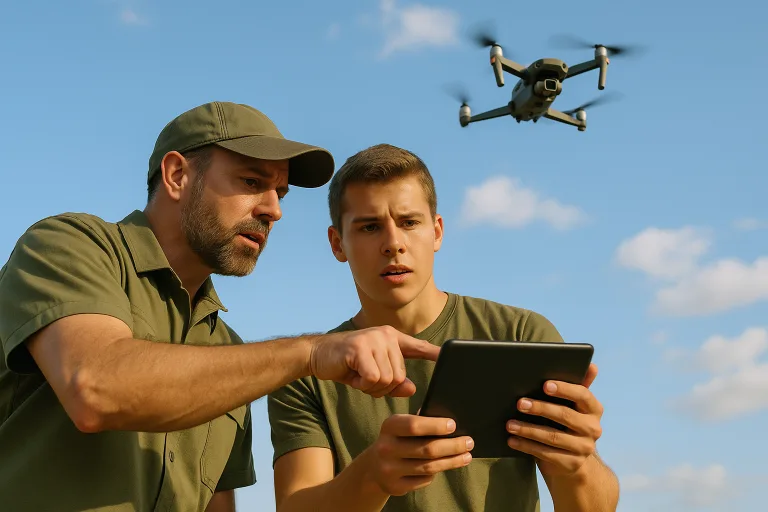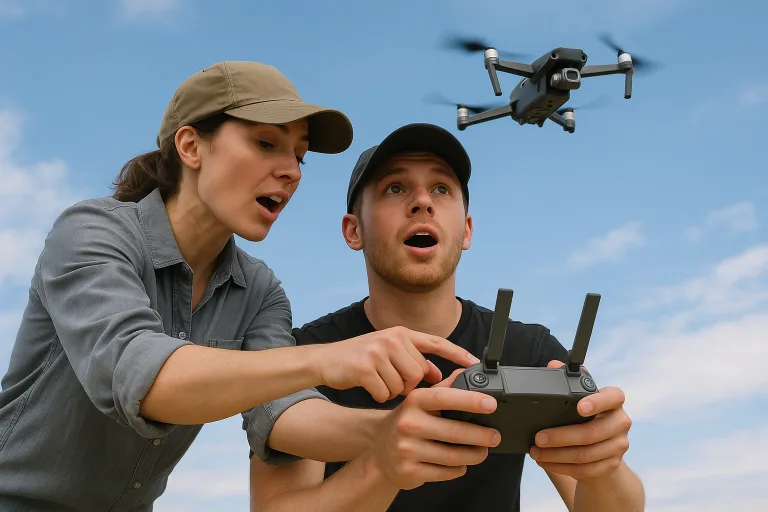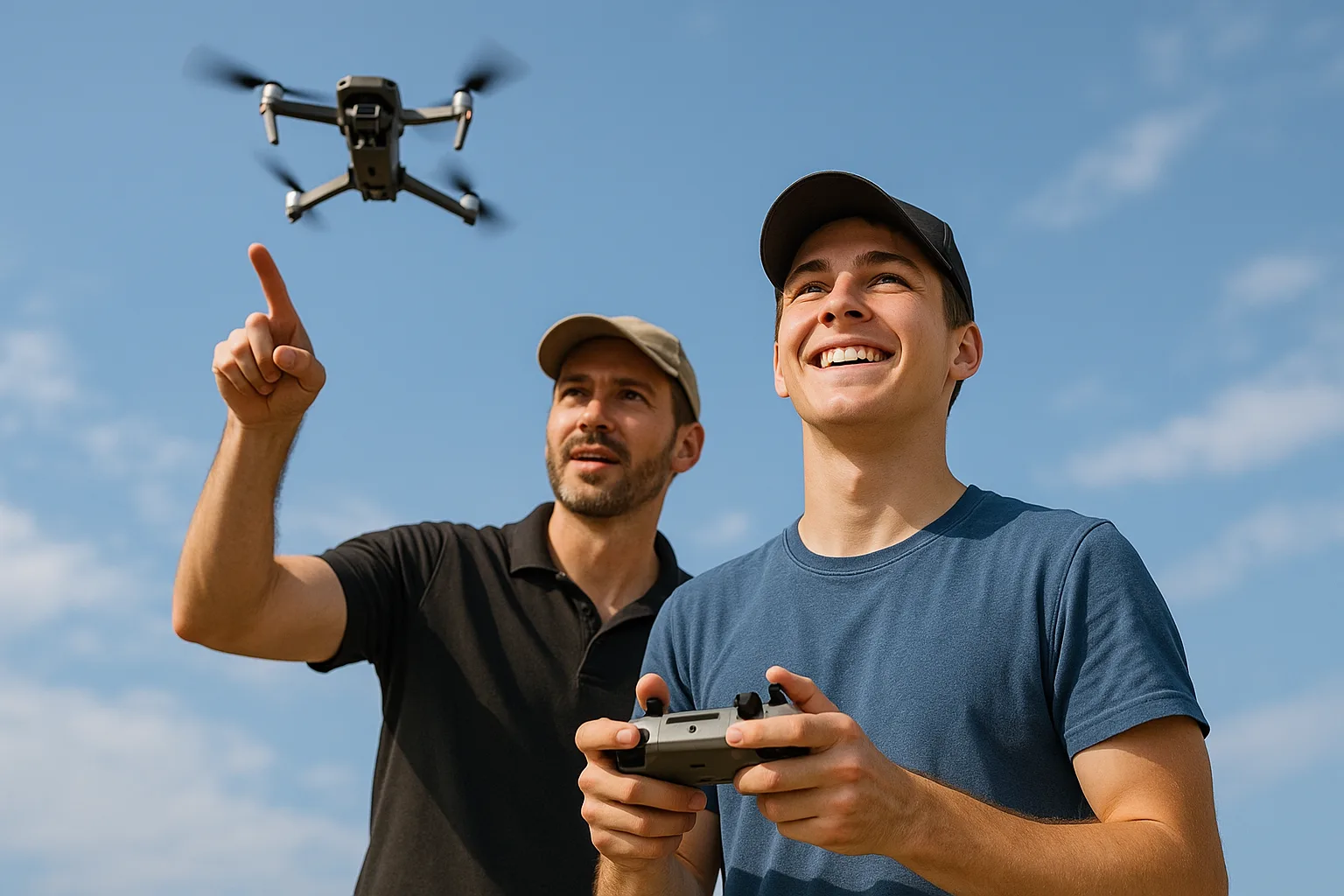
Why Novokuznetsk Needs Professional Drone Training and UAV Instructors
Novokuznetsk’s industrial base—mining, metallurgy, forestry, construction and emergency services—can gain immediate value from responsibly trained drone operators and certified UAV instructors. Professional programs improve safety, ensure legal compliance, enhance data quality, and create skilled jobs in the region.
*Investing in structured training and instructor education turns UAVs from novelty tools into reliable operational assets for businesses and public services.*
Key Benefits for Local Industry and Community
— Improved safety and risk reduction during inspections and emergency response.
— Cost and time savings for mining, plant inspections, and large-scale surveying.
— Enhanced environmental monitoring for forestry and water resources.
— New vocational pathways and upskilling opportunities for local workers.
— Local capacity to certify future operators and maintain equipment.
Core Components of an Effective Drone Operator Program
A robust curriculum should combine theory, supervised practice, compliance, and data workflows.
— Regulatory and ethical foundations
— Overview of relevant Russian civil aviation rules and local municipal requirements.
— Privacy, data protection, and responsible use policies.
— Aircraft systems and maintenance
— Airframe types, payloads, batteries, and routine pre-/post-flight checks.
— Basic troubleshooting and maintenance scheduling.
— Flight theory and mission planning (high-level)
— Meteorology basics, airspace awareness, and operational limits.
— Risk assessment, site surveys, and operational checklists.
— Practical flight training (supervised)
— Simulator sessions, graduated hands-on exercises, and scenario-based missions.
— Safety and emergency procedures (non-actionable)
— Safe decision-making, communication protocols, and incident reporting.
— Data capture and processing
— Best practices for sensors (imagery, LiDAR, thermal), data management, and delivering actionable outputs.
— Operations management
— Flight logs, asset tracking, insurance considerations, and team coordination.
Specialized Modules for Local Applications
— Mining and industrial inspection: visual inspection workflows, reporting standards.
— Forestry and environmental monitoring: mapping, change detection, and non-invasive surveys.
— Construction and surveying: photogrammetry basics and delivery-ready models.
— Search and rescue / emergency support: scene awareness, coordination with services.
Instructor Education: Building Local Teaching Capacity
To sustain training programs, Novokuznetsk needs qualified UAV instructors who can teach, assess, and mentor operators.
— Pedagogy for technical skills
— Adult learning methods, assessment design, and competency-based training.
— Curriculum development and accreditation
— Creating course materials aligned with national standards and industry needs.
— Supervised instructor practicums
— Mentorship, classroom delivery, and flight instruction under supervision.
— Quality assurance and continuous improvement
— Student evaluation metrics, instructor peer review, and program audits.
Certification, Assessment and Compliance
— Establish clear competency standards and practical assessments for operator certification.
— Work with regional aviation authorities and industry partners to align certificates with recognized benchmarks.
— Maintain rigorous record-keeping: flight logs, maintenance records, and refresher training cycles.
Facilities, Equipment and Partnerships
— Recommended facilities: classroom space, indoor simulator area, and a secured outdoor training field.
— Essential equipment: training UAVs, flight simulators, sensor payloads, maintenance tools, and data processing workstations.
— Build partnerships with:
— Local industry (mining companies, forestry enterprises, construction firms).
— Emergency services and municipal authorities for scenario training.
— Regional universities and vocational colleges for accreditation pathways.
Economic and Social Impact
— Short-term: faster inspections, lower downtime, improved emergency response.
— Long-term: new small businesses (drone services), higher-skilled workforce, and stronger local resilience to environmental and industrial challenges.
Getting Started in Novokuznetsk — Practical Steps (High-Level)
— Conduct a needs assessment with local stakeholders to define priority applications.
— Design a modular training program that scales from beginner operators to instructor certification.
— Secure endorsements or partnerships with relevant regulatory agencies and industry leaders.
— Launch pilot cohorts focused on concrete projects (e.g., mine site inspections, forestry surveys) to demonstrate ROI.
— Implement ongoing professional development and community outreach to sustain enrollment and quality.
Conclusion
Novokuznetsk stands to benefit substantially from professional drone operator training and a dedicated UAV instructor pipeline. A well-designed, legally compliant training ecosystem will deliver safer operations, better data-driven decisions for industry, and meaningful employment opportunities—turning UAV capability into a durable regional asset.
For institutions or businesses interested in developing programs, begin by mapping local needs and engaging regulatory and industry partners to ensure pragmatic, compliant, and measurable outcomes.