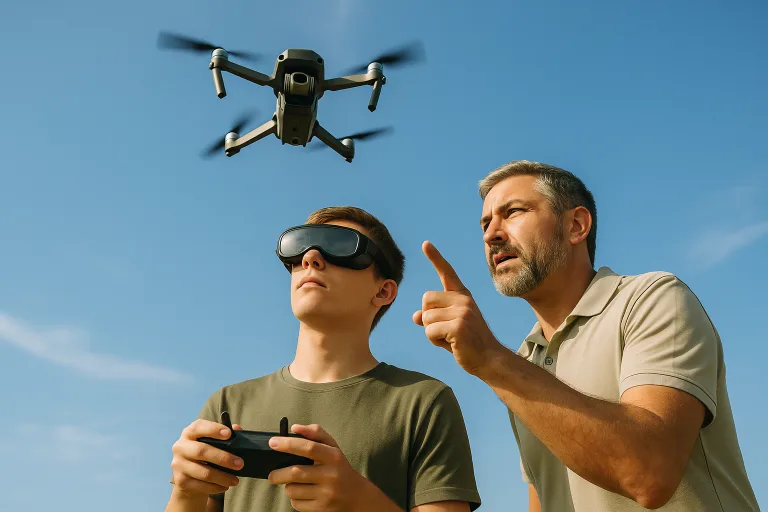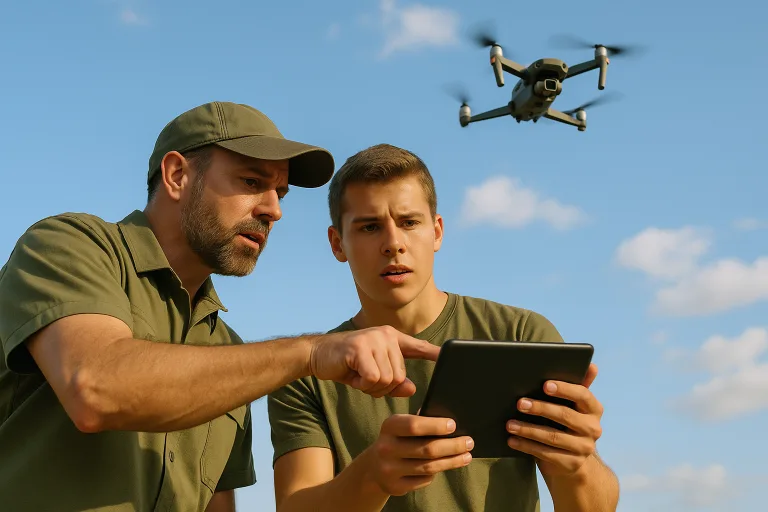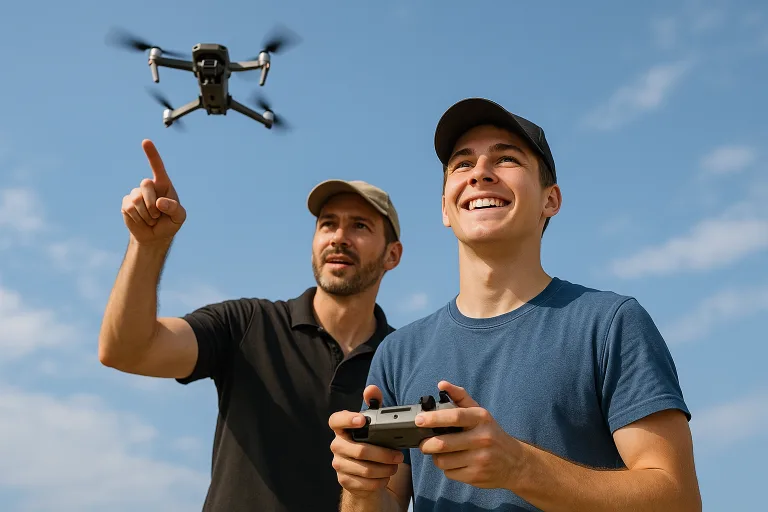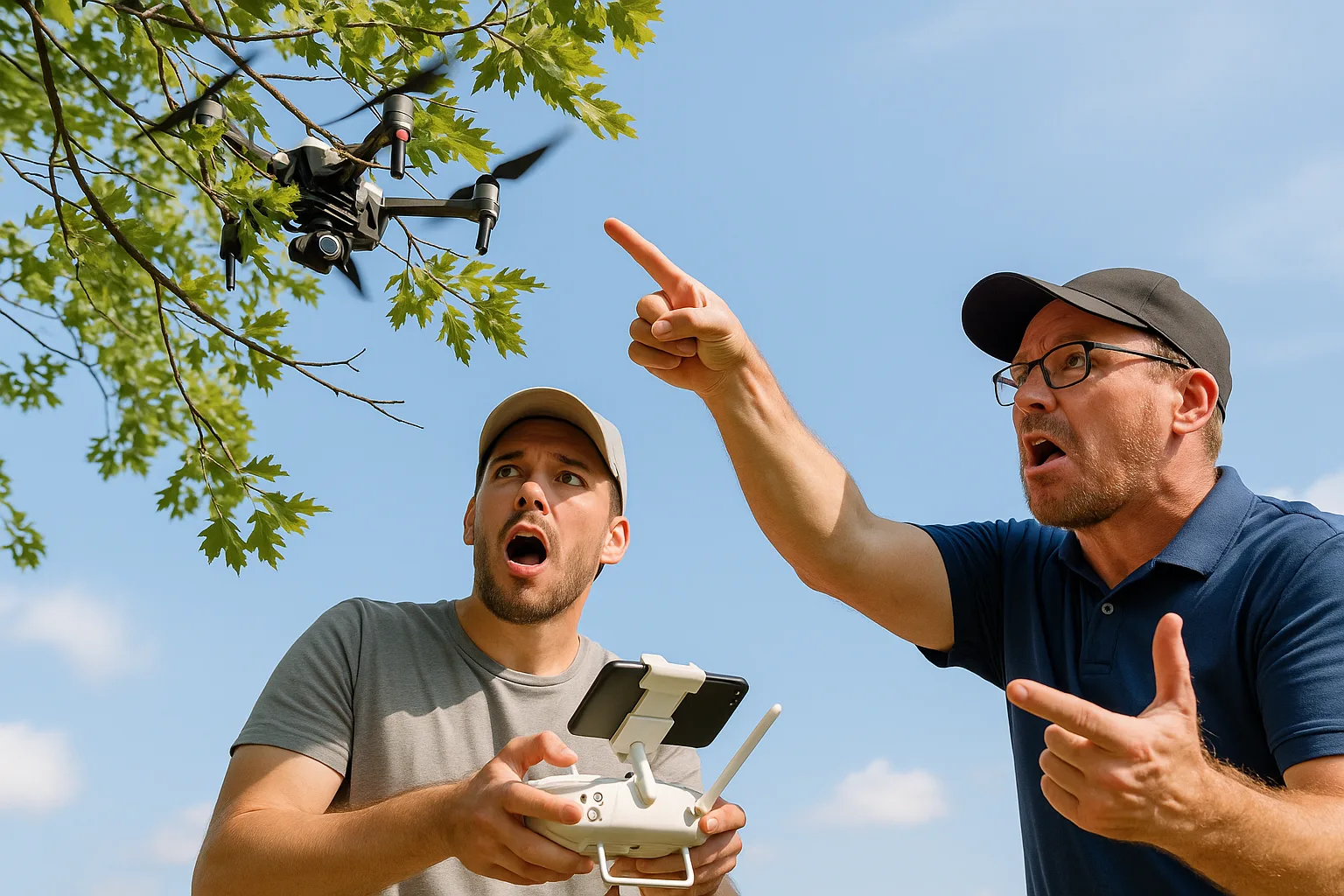
Drone Operator Training and UAV Instructor Education in Novokuznetsk
Novokuznetsk and the greater Kuzbass region are ideal environments for applied unmanned aviation: heavy industry, open-pit mining, extensive forestry, and growing infrastructure projects generate steady demand for aerial data, inspections, and emergency support. Developing a local ecosystem of certified drone operators and skilled UAV instructors will accelerate productivity, safety, and innovation across the region.
Below is a practical guide for trainees, training providers, employers, and prospective instructors looking to build or upgrade UAV competence in Novokuznetsk.
Why Novokuznetsk needs professional UAV training
— Industry fit: mining, metallurgy, construction, forestry, and utilities benefit directly from surveys, thermal inspections, volumetric measurements, and site monitoring.
— Safety & efficiency: drones reduce exposure to hazardous environments and decrease downtime for inspections.
— Local economic growth: qualified trainers and operators enable companies to insource UAV services and develop exportable skills.
— Regulatory compliance: trained operators reduce risk of violations and accidents by following aviation rules and documented procedures.
Core outcomes of a quality training program
Graduates should be able to:
— Safely plan and execute nominal and complex UAV missions.
— Configure and operate a range of UAV platforms and payloads (RGB, multispectral, LiDAR, thermal).
— Produce and interpret geospatial products (orthomosaics, DEMs, volumetric reports).
— Apply maintenance routines, pre-flight checks, and emergency procedures.
— Comply with Russian aviation requirements, local airspace rules, and industry standards.
— For instructors: design curricula, conduct assessments, and mentor trainees.
Recommended curriculum (modular)
1. Foundations (theory)
— Principles of flight and UAV system components
— Radio communications, GNSS basics, and telemetry
— Battery technology and power management
— Airspace classification, local regulations, and permissions
— Aviation safety culture and human factors
2. Practical Flight Training
— Basic flight skills (takeoff/landing, manual and assisted modes)
— Advanced maneuvers, BVLOS basics, and complex mission scenarios
— Indoor and outdoor training sessions; crosswind and contingency drills
— Minimum recommended flight hours: 40–60 logged hours (adjust per program level)
3. Payloads and Data Processing
— Photogrammetry concepts, GSD and mission planning
— Thermal imaging and multispectral basics
— LiDAR introduction and point-cloud workflows
— Post-processing with industry tools (Pix4D, Agisoft, QGIS, Cloud-based platforms)
— Reporting and client deliverables (maps, 3D models, volumetrics)
4. Maintenance and Troubleshooting
— Routine checks, firmware, sensors calibration
— Fault diagnosis and repair protocols
— Spare parts and lifecycle management
5. Operational Management
— Mission planning, risk assessment (RAMS), and SOPs
— Insurance, permissions, and record-keeping
— Fleet and data security practices
6. Instructor-specific training (for UAV instructors)
— Pedagogy and adult learning techniques
— Designing practical assessments and simulation-based training
— Mentorship, debriefing, and performance feedback
— Qualification and assessor standards; creating certification pathways
Facilities and equipment to look for in Novokuznetsk training centers
— Flight simulators and indoor training halls for safe initial practice
— Outdoor ranges with approved airspace for scenario training
— Classroom with projection and GIS workstations
— Variety of platforms: multirotor and fixed-wing models, plus payloads (thermal, RGB, multispectral)
— Maintenance workshop and spares inventory
— Partnerships with local industries for live-site training (mining sites, plants, forestry tracts)
Local partnerships and use cases
— Mining and metallurgy: stockpile measurement, slope monitoring, dust and emission surveys
— Construction and infrastructure: site progress monitoring, structural inspections, thermographic inspections
— Forestry & environment: forest health assessment, illegal logging monitoring, fire early detection
— Emergency services: search and rescue support, post-incident aerial assessment
— Utilities: power-line and pipeline inspection
Forge links with regional stakeholders (mining companies, plant operators, municipal services, universities/technical colleges) to secure training sites, real-world missions, and job placements.
Pathway to becoming a UAV instructor in Novokuznetsk
1. Start as a certified, experienced operator — demonstrate competence across platforms and payloads.
2. Accumulate mission hours and a portfolio of projects (recommended: 300+ flight hours across mission types for instructor candidacy).
3. Complete instructor training: pedagogy, assessment design, simulator instruction techniques.
4. Co-teach under a senior instructor; progress to lead instructor and assessor roles.
5. Maintain professional development through refresher courses, new sensor training, and participation in industry events.
Compliance and safety considerations
— Register UAVs and operators where required; obtain permits for complex operations and BVLOS missions.
— Implement written SOPs, checklists, and RAMS for every operation.
— Carry adequate civil liability insurance and data protection measures for client data.
— Schedule recurrent safety drills and incident reporting processes.
(Note: confirm the latest federal and regional aviation regulations and registration requirements with the Federal Air Transport Agency (Rosaviatsiya) and local authorities.)
Starting tips for trainees and employers
— Trainees: begin with simulator hours and a basic multirotor course before progressing to industry-specific payload training.
— Employers: hire trainees with a portfolio and ensure on-the-job mentorship. Outsource to local training providers if ramp-up is urgent.
— Training providers: combine classroom theory, simulator practice, and real-mission experience. Offer modular courses so professionals can upgrade skills without long absences.
— Instructors: document lesson plans, assessment rubrics, and create a continuous improvement loop