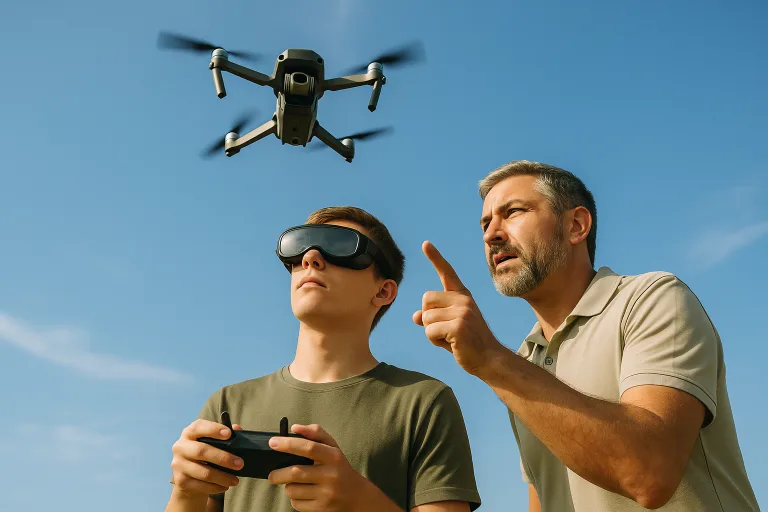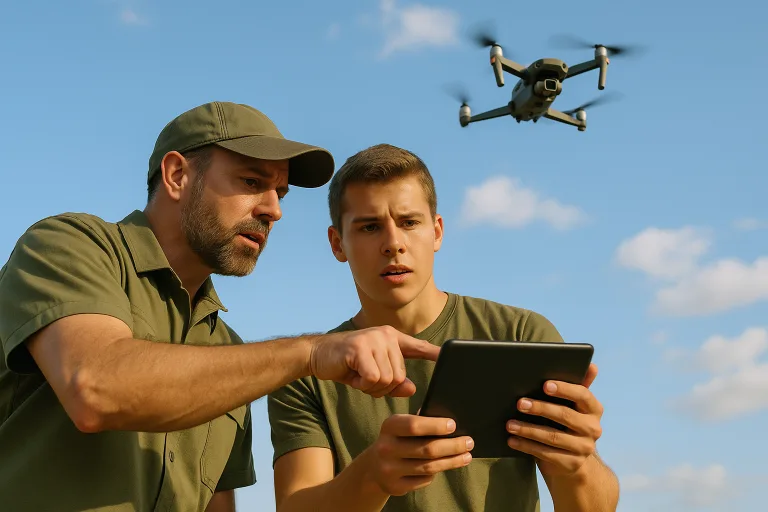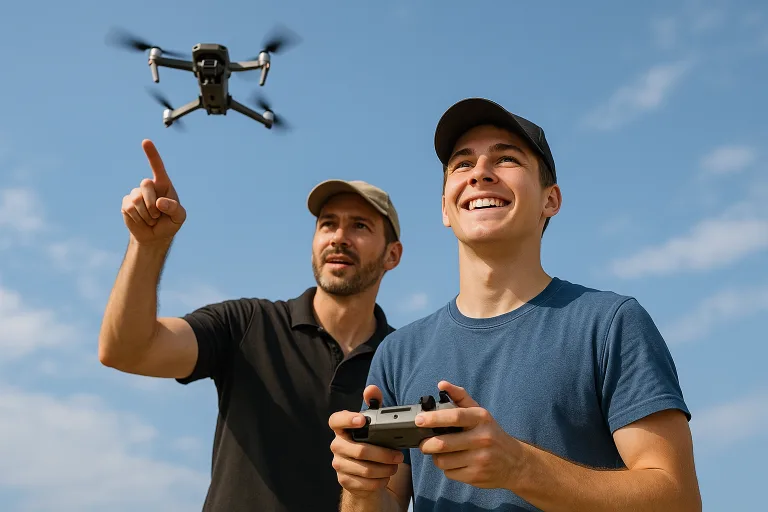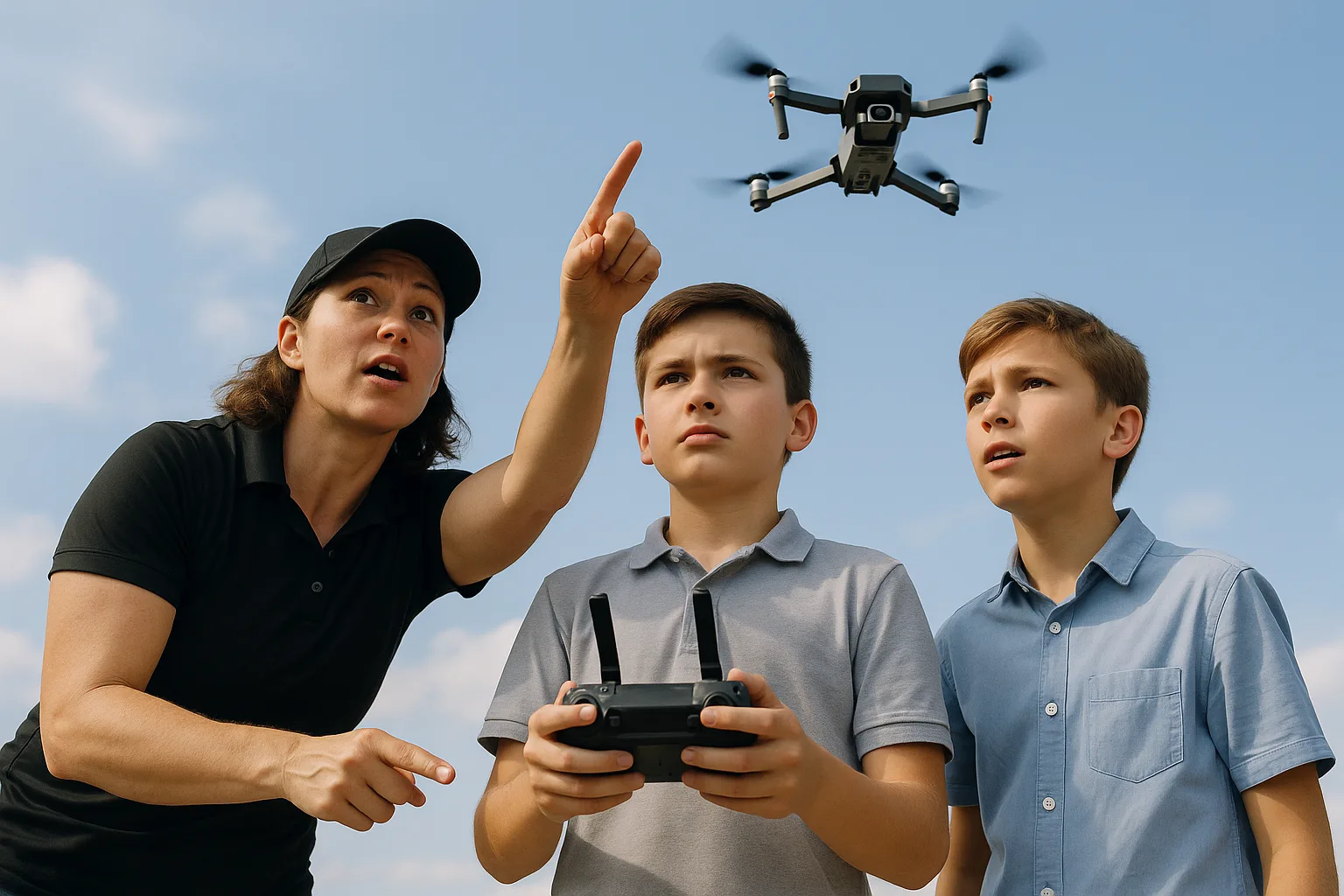
Drone Operator Training and UAV Instructor Education in Novokuznetsk
Novokuznetsk and the wider Kuzbass region are rapidly adopting unmanned aerial systems across industry, emergency services, agriculture, and media. Quality training for drone pilots and skilled UAV instructors is essential to meet local market needs, maintain safety, and ensure regulatory compliance. This article outlines what robust training looks like, why Novokuznetsk is a promising location, and practical steps to become a certified operator or instructor.
Why Novokuznetsk is a great place for UAV training
— Strategic industrial demand: mining, metallurgy, and heavy industry require routine aerial inspection and monitoring.
— Diverse training environments: urban areas, industrial sites, and open rural terrain provide varied scenarios for practical exercises.
— Growing local market: construction, agriculture, emergency response teams, and media outlets are increasing drone usage, creating jobs for trained operators and instructors.
— Community and partnership opportunities: local technical schools, businesses, and municipal services frequently collaborate on training and pilot deployments.
What modern drone training covers (for operators)
— *Air law and regulations*: national and municipal rules, airspace classification, permits and registration, no-fly zones, and coordination with local authorities.
— *Safety and risk assessment*: preflight checks, emergency procedures, lost-link protocols, and human factors.
— *Flight theory and practical skills*: basic aerodynamics, flight modes, manual and autonomous operations, simulator time, and supervised flights.
— *Mission planning*: site surveys, flight authorization, weather interpretation, payload planning, and data management.
— *Payload operations*: photogrammetry basics, multispectral/thermal imaging concepts, inspections, and data capture best practices.
— *Maintenance and logbooks*: routine maintenance, battery management, firmware updates, and recordkeeping.
— *Ethics and privacy*: respecting personal privacy, data protection basics, and community engagement when operating locally.
Becoming a UAV instructor — typical path
— Gain experience as a certified commercial operator: build flight hours across mission types (inspections, mapping, emergency response).
— Complete an instructor development module: adult learning theory, lesson planning, assessment techniques, and simulator/in-flight coaching methods.
— Demonstrate competency: pass practical and theoretical exams specific to instructor qualifications (where applicable), show a portfolio of student assessments and mission logs.
— Maintain currency: regular recency flights, continuing education, and adherence to evolving regulations and pedagogy.
— Network locally: partner with training centers, vocational schools, or private companies to run certified courses and workshops.
Sample course outline (12–40+ hours depending on level)
— Introduction & regulations (2–4 hrs)
— Flight theory & systems (2–4 hrs)
— Simulator practice (4–8 hrs)
— Practical flight training (8–16+ hrs)
— Payload operations & mission planning (4–8 hrs)
— Emergency handling & maintenance (2–4 hrs)
— Assessment and supervised solo missions (variable)
— Instructor module (optional extra: 8–24 hrs)
Facilities and recommended equipment for a training center
— Indoor simulator lab and classroom space for theory lessons
— Outdoor flight areas with safe separation from populated zones (coordination with local authorities)
— A fleet of trainer and commercial-grade drones (stable quadcopters, mapping-capable platforms)
— Ground control stations, mapping and post-processing software, and maintenance tools
— Safety equipment: high-visibility vests, first-aid kit, fire extinguisher, and signage
— Recordkeeping and learning management system to track student progress
Career paths and local employers
— Industrial inspection (mining, metallurgy, pipelines)
— Agriculture: crop monitoring and precision farming support
— Land surveying and photogrammetry
— Emergency services: search & rescue, fire monitoring, disaster assessment
— Media & real estate photography/videography
— Training and education: becoming an instructor or running a local training center
Regulations, safety, and compliance (practical guidance)
— Always verify and comply with current federal and regional aviation rules; in Russia, consult the relevant federal authorities and local aviation bodies for registration and operational permits.
— Coordinate with Novokuznetsk municipal authorities for training site approvals and temporary flight authorizations near sensitive areas.
— Prioritize safety management systems (SMS), thorough preflight checks, and documented risk assessments for every mission.
How to choose a training program
— Look for accredited providers or partnerships with recognized vocational schools or technical universities.
— Verify instructor credentials and real-world experience.
— Confirm a balance of simulator, supervised flight time, and practical mission scenarios relevant to your career goals.
— Ask about post-course support: job placement, continuing education, and access to community/industry networks.
Next steps in Novokuznetsk
— Research local providers: technical colleges, aviation clubs, and private training centers.
— Request a demo lesson or visit a training facility to inspect equipment and meet instructors.
— Prepare required documentation and medical clearances (if applicable) and plan for a mix of classroom and practical flight time.
— If you aim to become an instructor, build a logbook with diverse mission experience and pursue an instructor development course.
If you’d like, I can:
— Draft a sample syllabus tailored to Novokuznetsk’s industrial needs.
— Suggest a checklist for evaluating local training centers.
— Create promotional copy for a UAV instructor course or training center.
Which option would you like next?